
Nylon Cable Ties:

18 Inch Black UV Standard Cable Tie - 1000 Pack
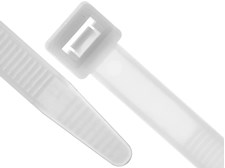
18 Inch Natural Extra Heavy Duty Cable Tie - 100 Pack
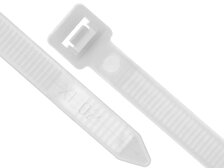
18 Inch Natural Heavy Duty Cable Tie - 100 Pack
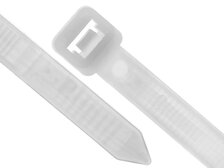
18 Inch Natural Heavy Duty Cable Tie - 100 Pack
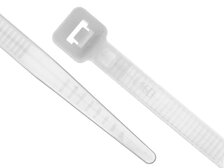
18 Inch Natural Standard Cable Tie - 100 Pack
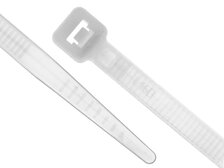
18 Inch Natural Standard Cable Tie - 1000 Pack
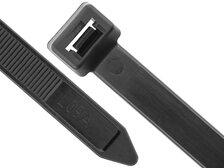
21 Inch Black UV Extra Heavy Duty Cable Tie - 100 Pack

21 Inch Black UV Heavy Duty Cable Tie - 100 Pack
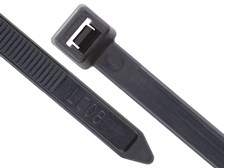
21 Inch Black UV Heavy Duty Cable Tie - 100 Pack
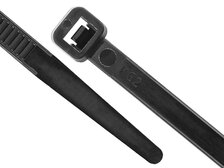
21 Inch Black UV Standard Cable Tie - 100 Pack
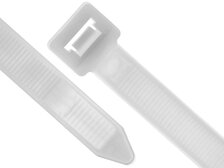
21 Inch Natural Extra Heavy Duty Cable Tie - 100 Pack

21 Inch Natural Heavy Duty Cable Tie - 100 Pack

21 Inch Natural Heavy Duty Cable Tie - 100 Pack
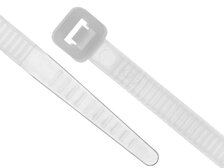
21 Inch Natural Standard Cable Tie - 100 Pack
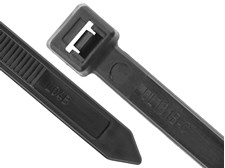
24 Inch Black UV Heavy Duty Cable Tie - 100 Pack

24 Inch Black UV Heavy Duty Cable Tie - 100 Pack
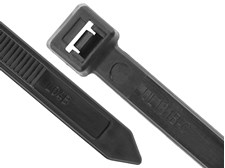
24 Inch Black UV Heavy Duty Cable Tie - 50 Pack

24 Inch Black UV Standard Cable Tie - 100 Pack
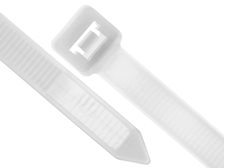
24 Inch Natural Heavy Duty Cable Tie - 100 Pack
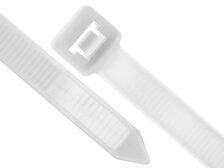
24 Inch Natural Heavy Duty Cable Tie - 100 Pack
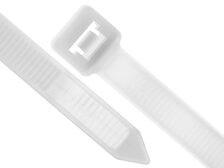
24 Inch Natural Heavy Duty Cable Tie - 50 Pack
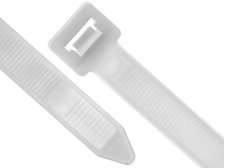
24 Inch Natural Standard Cable Tie - 100 Pack
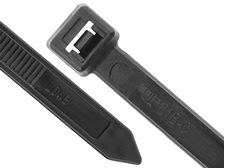
29 Inch Black UV Standard Cable Tie - 100 Pack

29 Inch Natural Standard Cable Tie - 100 Pack
Frequently asked questions
What is a nylon cable tie used for?
A nylon cable tie, also called a zip tie, is a fastening device used to bundle and secure cables, wires, hoses, and other items together. A ratchet-style locking head is threaded onto a toothed strap, allowing the tie to be pulled tight and locked in place for a secure, semi-permanent hold in electrical, automotive, construction, and general organizational applications.
How do I choose the right nylon cable tie length?
Cable tie length should be about 25 to 50 percent longer than the total circumference of the bundle you're securing, to leave enough strap to thread through the locking head and pull tight. Secure™ Cable Ties range from 4 inches up to 60 inches to accommodate everything from small wire harnesses to large industrial cable bundles.
How do I choose the right cable tie tensile strength?
Tensile strength indicates how much pulling force a cable tie can withstand before breaking, and should exceed the weight and bulk of the bundle being secured plus a safety margin. Secure™ Cable Ties are available in Miniature (18 lbs), Intermediate (40 lbs), Standard (50 lbs), Heavy Duty (120 lbs), and Extra Heavy Duty (175 to 250 lbs) tensile ratings to match light-duty to heavy industrial applications.
What's the difference between UV-resistant (black) and non-UV cable ties?
Black cable ties in this lineup are UV-stabilized for extended outdoor use, resisting degradation from sunlight exposure over time. Cable ties in other colors (natural, blue, red, green, and more) are not UV-rated and are best suited for indoor use or shorter-term outdoor exposure.
Are these cable ties reusable, or single-use?
Standard nylon cable ties use a one-way ratchet locking mechanism and are designed for single use — once tightened, they cannot be loosened without cutting. If a reusable or releasable tie is needed, look for our RETYZ® releasable cable tie line instead.
What material are these cable ties made from, and what temperature range can they handle?
Secure™ Cable Ties are made from Nylon 6/6, a general-purpose engineering plastic valued for its strength and flexibility. Most ties in this lineup are rated for an operating temperature range of -40°C to 85°C (-40°F to 185°F), suitable for both indoor and most outdoor environments.
What colors are available, and does color affect performance?
Secure™ Cable Ties are available in black, natural, blue, red, green, yellow, purple, brown, gray, orange, white, and several fluorescent and neon shades. Color is primarily cosmetic or used for wire identification and color-coding, with the exception of black, which includes UV stabilizers for outdoor durability that non-black colors do not have.